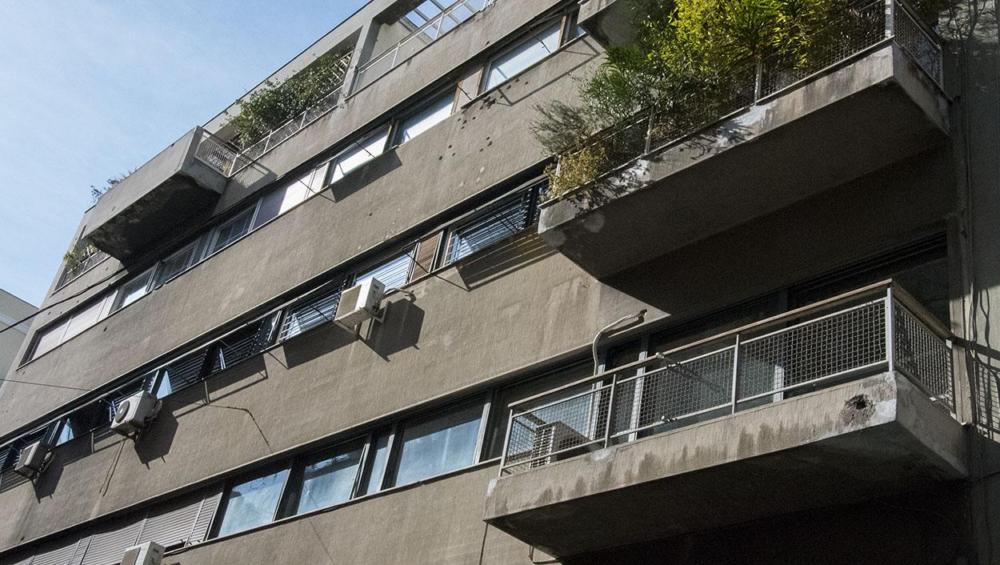
The Building
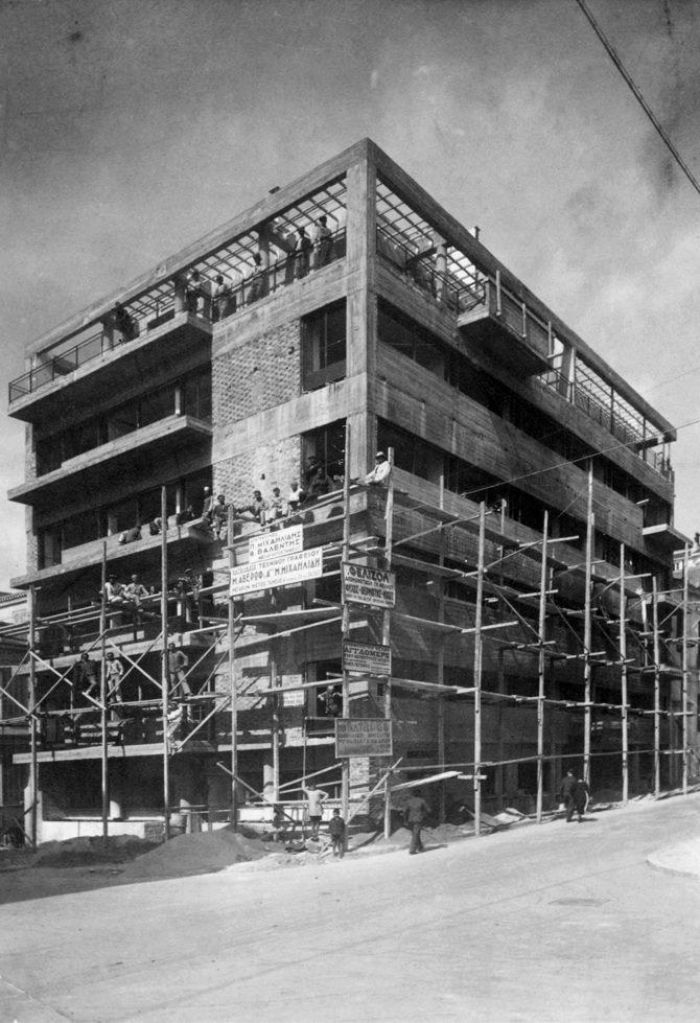
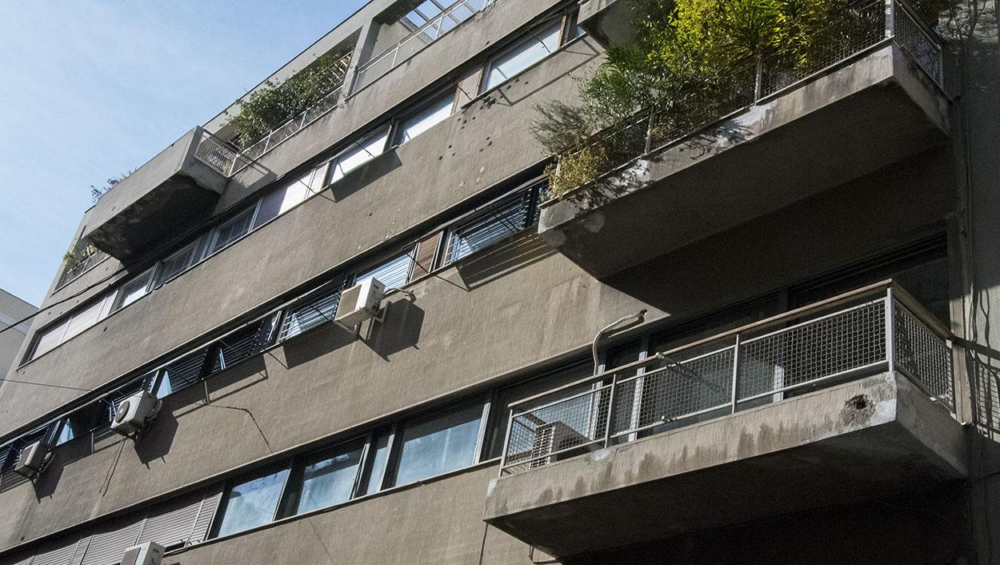
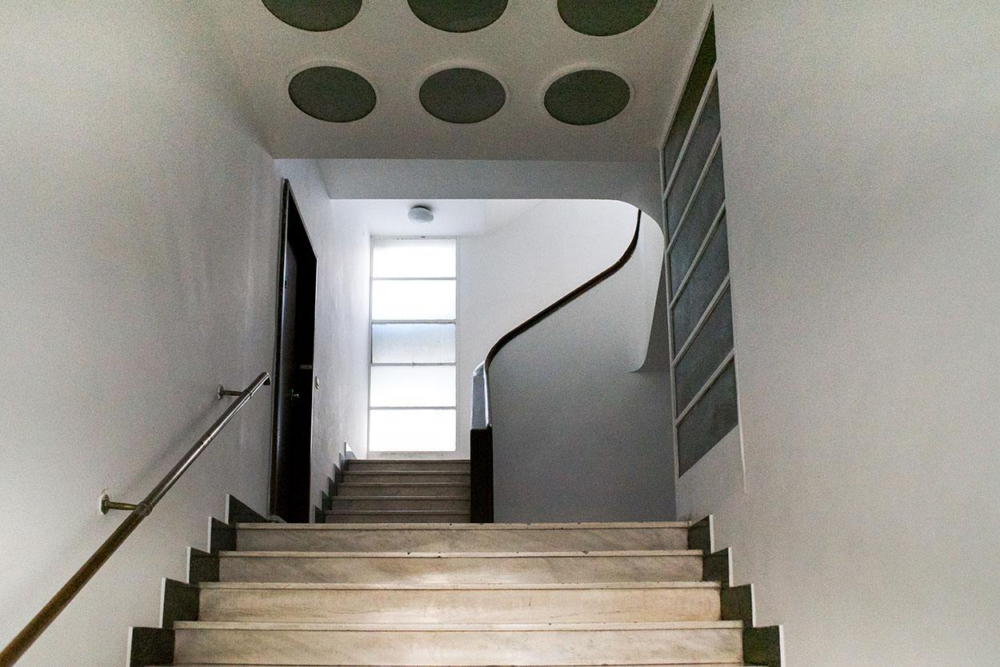
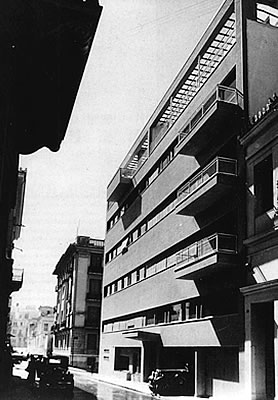
A building-symbol for Athenian architecture, a pioneering design for the time, a reference point of radical modernism in Athens.
At the end of 1932, the young architect Polyvios Michaelides left Paris and returned to Athens, having worked for almost two years in the office of the great architect Le Corbusier. In the short time he remained there, he became familiar with the contemporary trends of the time, but above all, he practiced alongside Le Corbusier the compositional principles and vocabulary of the Modernist Movement, which in Europe was to become widespread in both architecture and art. Drawing on this great experience and his talent, he collaborates in Athens with his equally talented fellow student, and later professor at the NTUA, Thucydides Valenti, and the two of them bring a radical air to both the form of buildings and their interior design.
We are in the interwar period, a pivotal period in Greek history marked by profound political and economic changes, but also by major social upheavals, which led to a radical reconstruction of society. These were the years following the Asia Minor disaster. With the gradual integration of refugees, the consumer market has grown, there is a labour force and commercial and entrepreneurial activity. All this has contributed to the transformation of the larger cities, especially Athens, into densely populated urban centres. Here, a new urban environment is slowly taking shape with new types of buildings, such as schools, hospitals, factories and refugee housing.
Most importantly, however, a new type of housing, the apartment building, appeared in Athens during this period. On the one hand, the increase in population and on the other, the exploitation of new technology in the construction of buildings, which had developed in Europe at the end of the previous century, resulted in their expansion in height. Multi-storey buildings are made of reinforced concrete and have all the innovations of the time: lifts, central heating and water supply, gas and later electricity for indoor lighting and public spaces. Contrary to the perception we have of them today, the urban apartment buildings of the interwar period were a luxurious living space and were sought after by the middle and upper bourgeoisie, who were then consolidating their position in Greek society. These people, men and women, expressed modernity in their perceptions, lifestyle, dress and entertainment, actively participating in economic and political life.